

🚀 Explore this trending post from Investopedia | Expert Financial Advice and Markets News 📖
📂 Category: Economics,Economy
💡 Here’s what you’ll learn:
Key takeaways
- New name, image and likeness (NIL) guidelines allow college athletes to make money from sponsorships, social media and branding deals.
- A revenue-sharing suit allows schools to share a percentage of their athletic revenue with players.
- As money plays a bigger role in school sports, athletes will face more pressure.
Many people know how well some professional athletes are paid. But it may be surprising to learn that college athletes are now earning an income, too. Due to name, image and likeness (NIL) rules and the revenue-sharing settlement, college athletes are bringing home their paychecks. This is changing the world of college sports.
Name, image and profitability
On July 1, 2021, the NCAA enacted a policy allowing college athletes to profit from their name, image, and likeness (NIL). NIL is an athlete’s personal brand that can be paid for by a third party. This policy came from the Supreme Court’s decision in NCAA v. Alston, which stated that the NCAA could not restrict athletes from profiting from their name, image, or likeness.
Now, per NCAA policy, athletes can endorse products, sign sponsorship deals, participate in commercial opportunities, monetize their social media presence, and leverage other sources of revenue generation.
In order to remain compliant with the policy and be eligible to continue playing the sport, players must track expenses, keep records of earnings, and file taxes as they would on other income.
While the NIL ruling allows athletes to earn at the national level, state laws play a role in how athletes earn income as well. Some states restrict profit from gambling and alcohol transactions. Others are less strict. As a result of this mixed legislation, state NIL laws have become an important factor in how families and athletes decide which school to attend.
Revenue sharing for athletes
The settlement of House v. NCAA June 2025 ushers in another big change in college sports. The court decided that Division I schools can share up to 22% of profits with athletes, which is defined as the average media rights, ticket sales and sponsorships received by a Power Five school. The cap is $20.5 million in 2025, which will increase approximately 4% each year.
This significantly impacts school sports budgets, requiring changes to contracts and realignment of finances to ensure revenue sharing can be achieved. The changes also led to the creation of a regulatory body, the College Athletic Commission, which will be responsible for compliance.
Actual effect
The NIL and revenue sharing opportunities are already reshaping how college sports are conducted, presented, and organized internally and how players make scholastic decisions.
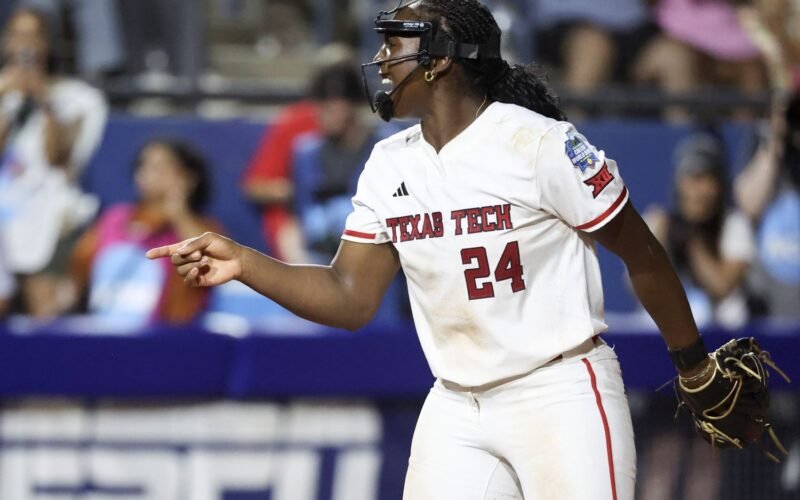
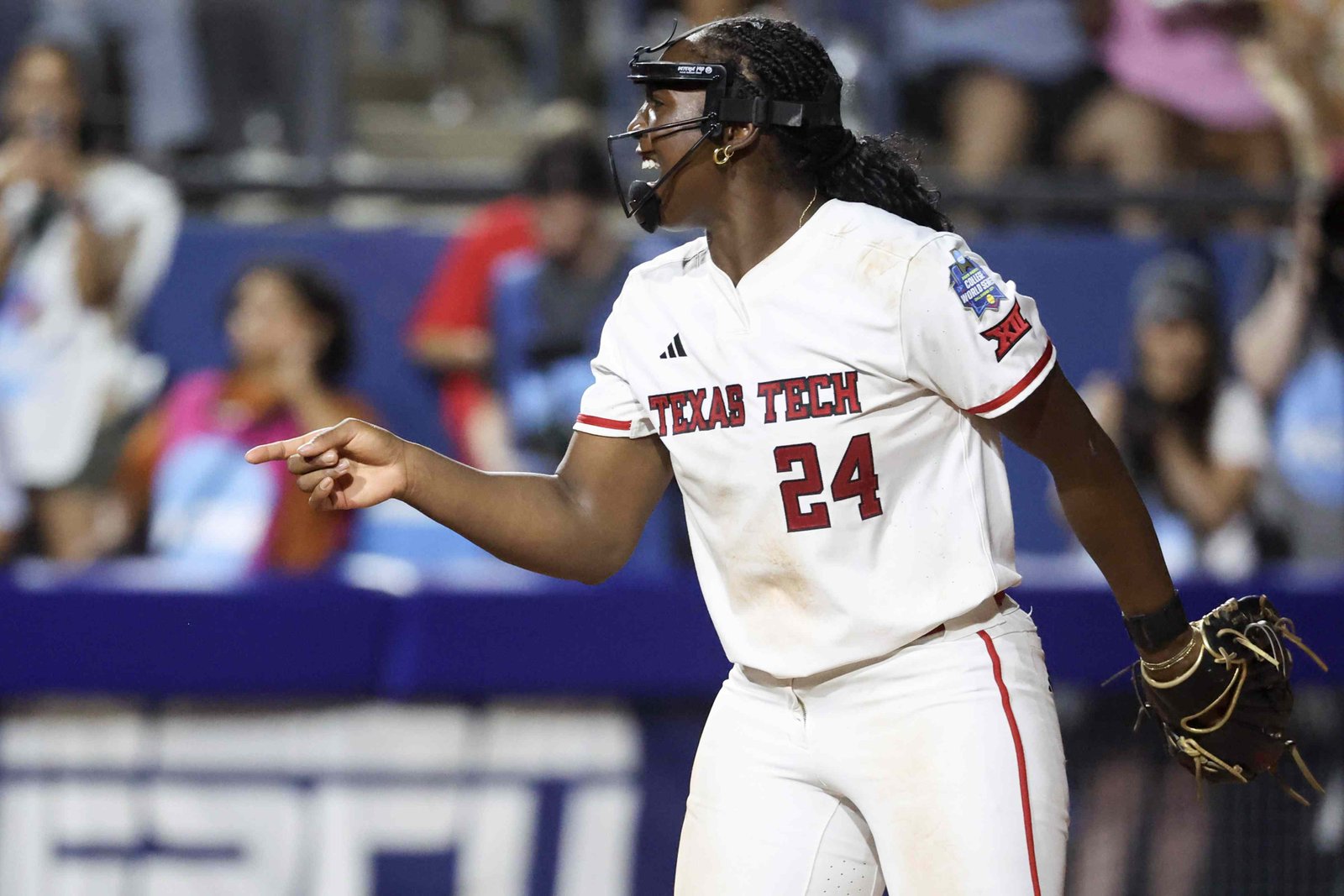
For example, NiJaree Canady, a softball player at Texas Tech, joined the school after signing a $1,000,000 deal in 2024 with Texas Tech’s collegiate Matador Club. In 2025, she signed another $1 million deal to remain with Texas Tech.
“Nigga Kanade is the hottest player in softball. She’s the box office and she goes out every day and competes,” her manager, Derek Shelby of Prestige Management, told ESPN. “The decision to stay at Tech was not difficult. This program took care of her. They showed how much she was valued. All the staff, her teammates and the school in general were great.”
Since a portion of the schools’ profits will now go to the athletes, colleges are looking for ways to bring in additional revenue streams. This puts enormous pressure on school budgets, especially on small school sports programs.
Schools are already getting smart and turning to other sources of income such as concerts in stadiums or renting facilities. For example, Coldplay performed at Stanford University.
How athletes can navigate the NIL landscape
Here are some tips on how student-athletes can navigate the opportunities of nothing:
- Stay on top of taxes: Track all your income and expenses, create business structures that work for you, and stay on budget.
- Build your brand early: You’re selling a version of yourself, so focus on your strengths, such as athletic skills, academics, online presence, and social work.
- Understand your school’s legal jurisdiction: Learn about the NIL rules in your state. These will shape the trades you make. Work with your NIL compliance office.
- Use combinations carefully: NIL Group is an independent entity that is not managed by the school. Ensure there is transparency, fairness, and compliance with Title IX.
- Relying on school resources: Check out what types of resources your school has to guide you through this process, including counseling, workshops, and deal support.
Note
NCAA athletes are now hiring sports agents and financial advisors to help sign deals and plan their finances.
Future trends and financial implications
Having nothing and sharing the revenue meant that some students became semi-professional athletes. This condition can involve wealth, fame, and the pressures that come with being in the spotlight. Large financial investments in student athletes can lead to a lot of stress and mental health challenges for young people.
Additionally, as major sports schools expand to attract top-tier athletes, smaller institutions and Olympic sports will need to reorganize themselves to remain competitive.
Bottom line
College athletes now perform under a new set of rules that allow them to earn money, sign deals, and build their brands, all before graduating. With nothing and revenue to share, they have stepped into semi-professional roles that offer financial opportunities, fame, and all the pressures that come with it.
While big-name sports schools are well-positioned to attract top talent, smaller schools may have trouble keeping up. This can have a range of impacts on attendance levels and budget. As this new period evolves, students, schools, and lawmakers will have to adapt.
💬 Share your opinion below!
#️⃣ #college #athletes #salaries #changing #game
